 US Dollar
 Euro
Euro
 Australian Dollar
 Canadian Dollar
 Polish Zloty
 British Pound

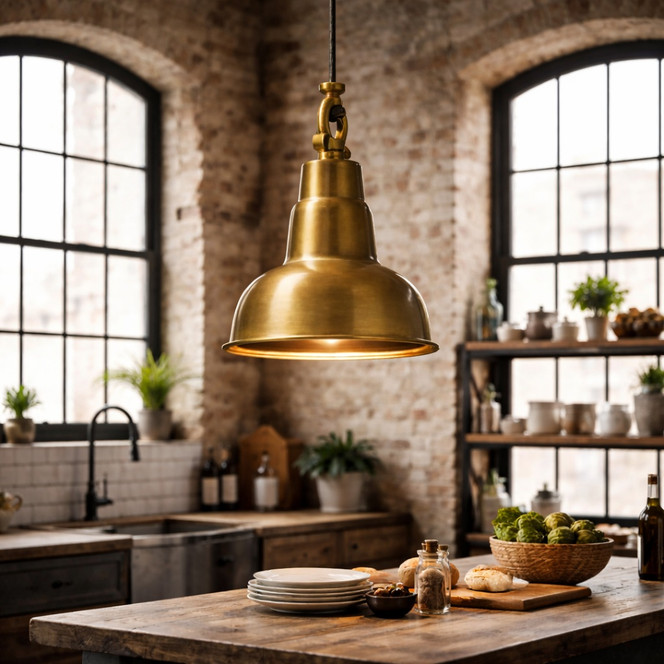
Metal lighting brings warmth, texture, and lasting character to a room. Many buyers see brass, bronze, and tin listed on product pages, but the terms can feel confusing. This guide explains what each metal is, how it is made, how it ages, and how to choose the right look for your space. If you love bold texture and city edge, explore our Industrial loft interior lighting to see how these metals shape a finished interior.
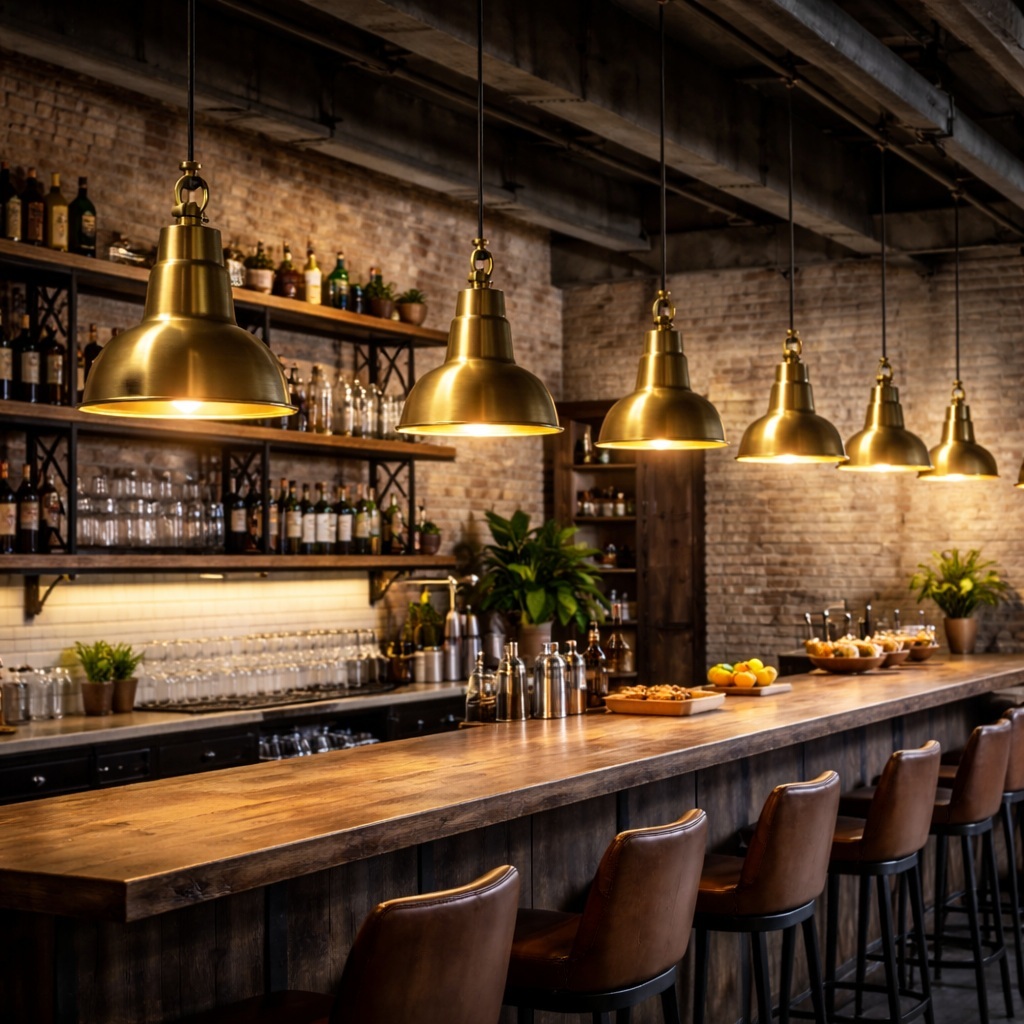
What these metal names really mean
Brass, bronze, and tin are not just colors. They are different materials with different compositions and aging behavior. Each one reflects light in its own way. Each one develops surface change over time. When you understand the basics, it becomes easier to select a finish that fits your room.
What is brass
Brass is a metal alloy made primarily from copper and zinc. It is known for its warm golden tone and bright reflectivity. Brass can look polished and luminous, or it can be aged to a softer, darker finish. Because brass is an alloy, small changes in the copper to zinc balance can shift its tone from yellow gold to a slightly reddish warmth. In lighting, brass is chosen when you want a highlight metal that reads rich and inviting.
How brass looks in interiors
Brass reads warm and bright under natural light. It also glows under warm bulbs. Polished brass can feel bold and glamorous, while aged brass feels calmer and more rustic. Brass pairs well with dark woods, creamy plaster walls, and stone surfaces. It also works well as a contrast detail against black iron accents.
How brass ages and what to expect
Brass can develop patina over time, especially in humid environments. The surface may deepen and mute, shifting from bright gold toward a more antique tone. Many brass finishes are sealed to slow change. If you prefer a consistent look, use gentle cleaning and avoid harsh chemicals.
What is bronze
Bronze is also a copper based alloy, most often made from copper and tin. It is typically deeper and darker than brass, with a brown to reddish tone that can feel grounded and historic. Bronze is valued for durability and corrosion resistance, which is why it has been used for sculpture, hardware, and architectural elements for centuries. In lighting, bronze finishes often feel classic, moody, and substantial.
How bronze looks in interiors
Bronze tends to read softer than black iron but darker than brass. It works well in Mediterranean, rustic, and traditional interiors. It also fits transitional rooms when you want a warm metal that does not sparkle. Bronze complements wood beams, earthy tile, and natural stone, and it pairs well with warm neutral paint colors.
How bronze ages and what to expect
Bronze can develop a deeper patina, especially along edges and raised areas where hands touch most often. This gradual change adds depth rather than looking worn. Many bronze finishes are designed to look aged from the start, so small shifts over time feel natural and consistent.
What is tin
Tin is a soft metal that has been used for decorative household items for a long time. In lighting and decorative metalwork, tin often appears as tin plated steel or worked tin sheet, depending on the build. Tin is known for its muted silver gray tone and subtle sheen. It can be smooth and quiet, or it can be embossed and decorative, which makes it popular for vintage and Old World styles.
How tin looks in interiors
Tin reads light and understated, making it a great choice when you want metal presence without strong contrast. It works beautifully with white walls, warm woods, and patterned tile. In rustic rooms, tin can add a historic note. In modern rooms, it can feel clean and calm because it does not reflect like polished brass.
How tin ages and what to expect
Tin finishes can dull slightly over time, moving toward a more matte look. Because tin is softer, avoid abrasive scrubbing. Gentle cleaning keeps the surface looking even. If a piece is tin plated, proper care also helps protect the plated layer.
How to choose between brass, bronze, and tin
The best choice depends on your room palette, your lighting plan, and how much contrast you want. Brass is the warm highlight metal. Bronze is the deeper classic metal. Tin is the muted, decorative, and often lighter looking metal. If you want the fixture to stand out, brass tends to lead. If you want a moody and grounded feel, bronze is a strong choice. If you want a softer metal note that supports the rest of the decor, tin is often ideal.
Simple pairing ideas that work in real homes
Use brass when your room needs warmth and glow. Use bronze when you want depth without harsh contrast. Use tin when you want a lighter metal tone with a traditional touch. In mixed metal rooms, keep one metal dominant and use the others as accents. This creates cohesion and prevents the space from feeling busy.
Explore rustic lighting styles
If you want to see how these metals show up across chandeliers, pendant lights, and wall fixtures, browse our parent category: Rustic Illumination.
Conclusion
Brass, bronze, and tin each bring a different kind of character to lighting. Brass offers bright warmth and a golden glow. Bronze delivers deeper tone and classic strength. Tin provides a softer silver gray look that can feel vintage and decorative. When you match the metal to your space and your preferred level of contrast, your lighting choice feels intentional and long lasting.