 US Dollar
 Euro
Euro
 Australian Dollar
 Canadian Dollar
 Polish Zloty
 British Pound

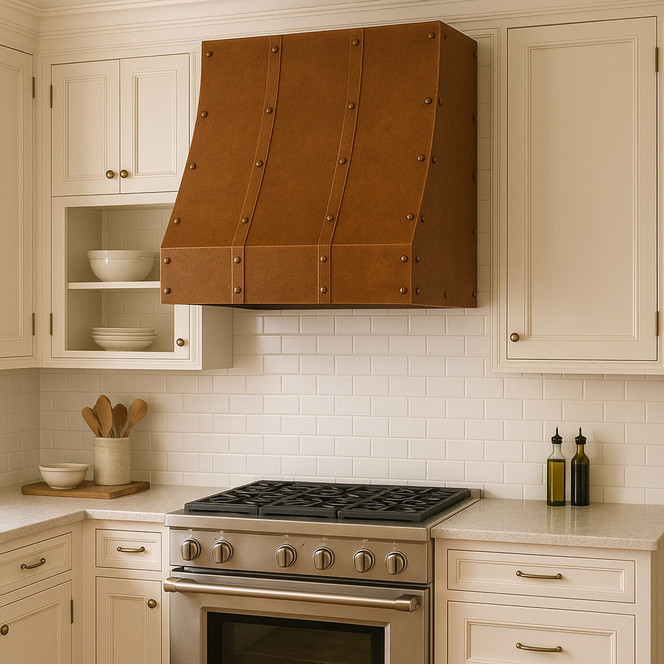
The 60-Inch Hammered Copper Range Hood with Angular Box Design has become a defining feature for kitchens that value both performance and artisan presence. At this generous width, the hood does more than ventilate: it frames the cooktop, anchors the room, and introduces a sculptural surface that grows richer with time. For specifications, finishes, and customization options, see the product page to understand how this large-format design adapts to wall or island installations.
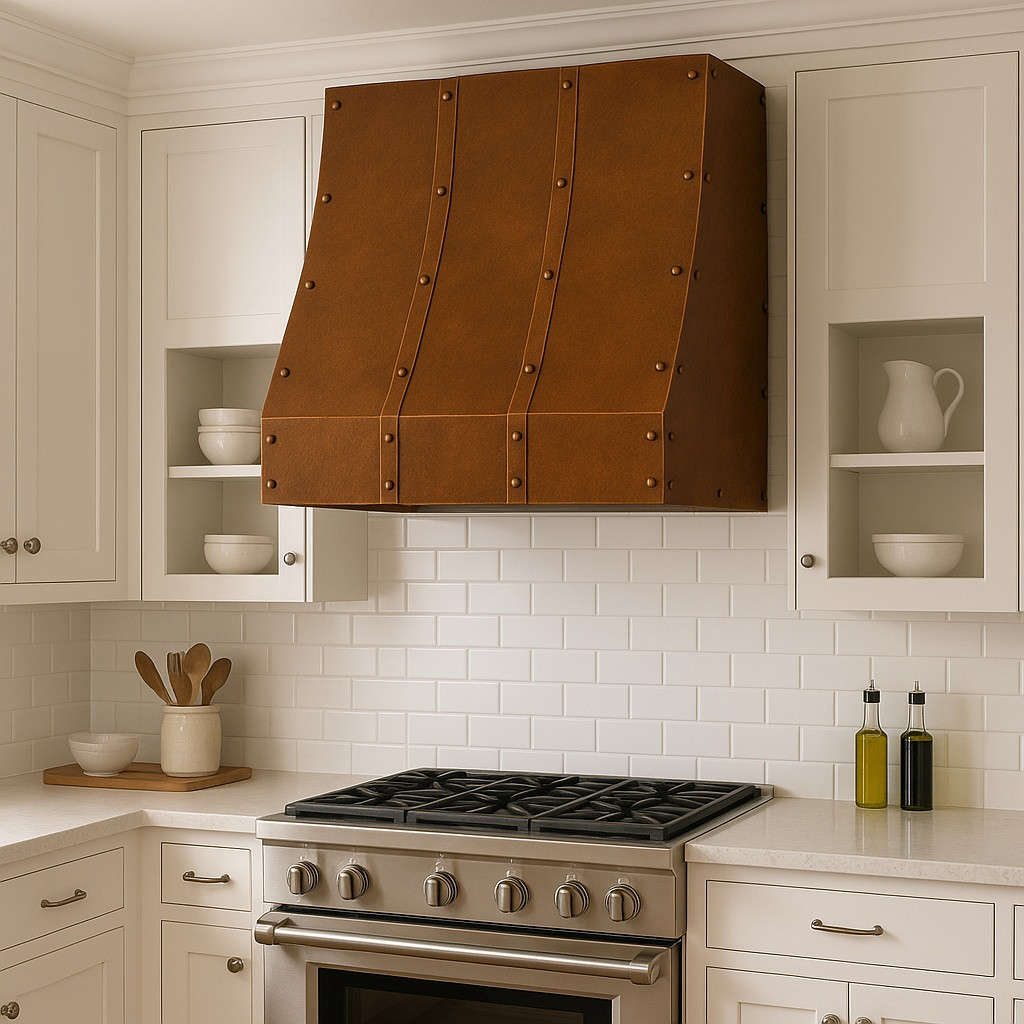
Why the 60-Inch Angular Box Style Sets a New Benchmark
Impressive Scale
At sixty inches wide, a range hood inevitably becomes the visual anchor of the kitchen. The angular box silhouette channels that scale into clean, legible geometry, conveying structure rather than bulk. Instead of disappearing into upper cabinets or competing with ornamental tile, the face presents a deliberate plane, edged by crisply defined lines that feel architectural. When natural light crosses the hammered surface, the form shifts from monolithic to energetic, throwing soft highlights across the copper and pulling the eye upward to the chimney. The result is presence with purpose: a hardworking appliance that reads as crafted architecture.
Hammered Texture
Texture is the secret to making large metal surfaces feel inviting. Hand hammering micro-modulates reflections, diffusing glare and introducing a rhythm of shallow facets. Each strike slightly changes the way light travels across the face, so no two areas look identical. In daylight, the hood glows with delicate scintillation; in the evening, task lighting grazes the surface and brings out subtle topography. On a 60-inch span, that variation matters. It breaks up visual mass while still protecting a cohesive, calm plane, and it echoes the long history of copperwork that blends artistry with utility.
Riveted Straps
Vertical straps running the full height of the front panel give the hood a measured cadence. Evenly spaced rivets punctuate those lines like notes on a staff, introducing a tempo that guides the eye from apron to chimney. The straps also frame the central field, tightening the composition without resorting to heavy ornament. On an angular box design, this slender hardware reads as structural, yet it remains refined. The language suits a spectrum of interiors, from transitional to industrial rustic, and the detailing scales naturally at sixty inches, where small gestures must hold their ground against generous proportions.
Changing Patina
Copper’s appeal lies in its evolving surface. Many clients favor a warm, fire-aged brown that pairs easily with stone, wood, and neutral plaster. Over time, warmth gathers on high points and deepens in recesses, revealing the hammered pattern more clearly. In active kitchens, gentle tonal shifts arrive with heat and handling; with periodic neutral wax, that change remains graceful and even. Whether you prefer a sealed finish to stabilize the tone or a living surface that responds to daily life, patina turns the hood into a record of use. It becomes an heirloom that acquires character rather than wear.
Visual Balance
The right height above the cooktop maintains capture efficiency and preserves sightlines. Many designers target a band between roughly twenty-eight and thirty-six inches, adjusting for the insert manufacturer’s guidance and the home cook’s height. On a wide wall installation, tall side cabinets or a full-height backsplash can frame the hood, while in an island layout, ceiling blocking and a clean soffit or beam detail visually ground the mass. The key is to let air and light circulate around the silhouette so it reads as intentional rather than squeezed. At sixty inches, even small proportion adjustments can have outsized visual impact.
Ventilation Planning
A shell this size shines when paired with a properly matched liner and blower. The insert defines capture depth, lighting, and filter layout; the blower determines how efficiently air moves through the duct. Straight, correctly sized ducting with minimal turns preserves velocity and reduces noise. Remote blowers shift sound outside the kitchen, while in-line options strike a balance between installation flexibility and acoustics. With a 60-inch hood, most households plan for higher airflow to support griddles, grills, and multi-burner searing. The angular box canopy complements that performance by offering a broad, predictable capture area.
Simple Maintenance
Everyday care is straightforward. A soft cloth and mild, pH-balanced soap remove residue without stripping protective wax or lacquer. After cleaning, a quick dry prevents spotting and keeps the hammered surface crisp. If your finish is unsealed, a periodic neutral wax maintains sheen and encourages even patina development; sealed finishes limit change while preserving the warmth that defines copper. Filter care is just as important. Regular degreasing sustains airflow and reduces strain on the blower. A well-maintained 60-inch hood stays quiet, efficient, and visually impeccable, rewarding the minutes invested in simple routine care.
Material Pairings
The 60-Inch Hammered Copper Range Hood with Angular Box Design plays elegantly with mixed palettes. On cool white walls, its warmth becomes a focal glow. Against charcoal or navy cabinetry, it reads as a burnished accent. Wood tones—walnut, white oak, chestnut—find a natural ally in the copper’s low, resonant color. Stone surfaces like leathered granite, limestone, or soapstone support the hood’s tactile sensibility, while handmade tile adds artisanal counterpoint. Hardware finishes can either match the copper for continuity or contrast in blackened iron to sharpen the architectural outline. The hood’s neutrality comes from tone and texture, not from blandness.
Island Presence
Mounting a hood over an island presents different challenges from a wall setting, but the angular box form adapts gracefully. Because the hood stands in open space, its geometry reads in the round. Clean strap alignments and crisp seams become even more important, and the hammered surface prevents glare from perimeter lighting. Structural blocking above the ceiling ensures a rigid hang that resists vibration. Designers often align the chimney with a centered ceiling beam or drop a subtle soffit to define the cooking zone. The goal is to celebrate the sculptural silhouette while integrating it into the room’s broader rhythm.
Lighting Effects
Thoughtful lighting transforms the hood from impressive to irresistible. Under-cabinet task lights should graze the apron to pull out texture. Pendants near an island can be positioned so reflections skip across the face rather than hot-spot. Warm color temperatures underscore the copper’s glow without turning it orange, and dimming control keeps the hood relevant to different moods—energetic prep, quiet dining, late-night cleanup. Because hammered surfaces interact so vividly with light, small aiming changes deliver big visual dividends. The right plan turns the hood into a kinetic artwork that shifts character from morning to evening.
Craft Story
The narrative begins with selecting the gauge and temper of copper that will balance forming ease with long-term stability. Artisans lay out the profile, hand-form the panels, and refine edges so every seam lands with intention. The hammering is rhythmic craft, measured enough to maintain plane integrity and lively enough to avoid machine regularity. Straps are cut, shaped, and riveted to create vertical structure. After assembly, the patina process brings depth and chroma, and sealing or waxing locks the initial tone. By the time the shell meets its insert, the piece has journeyed from material to architecture.
Style Versatility
Transitional spaces benefit from the hood’s balance of restraint and craft. In modern rustic rooms, the clean silhouette tempers heavy textures, while in Mediterranean and Spanish Revival settings, the warm metal harmonizes with stucco and timber. Contemporary homes use the piece as a singular, tactile counterpoint to sleek planes. Farmhouse kitchens appreciate the sturdiness of rivets and the familiarity of copper’s warmth. The common thread is clarity. The angular box design states its intent without fuss, allowing surrounding materials to converse rather than compete. That clarity is essential when the hood spans a full five feet.
Remodel Planning
Starting with the hood as a design anchor simplifies subsequent decisions. Cabinet elevations, appliance placement, and backsplash proportion all key off the chimney height and canopy width. If the kitchen opens to adjacent living areas, the hood’s sightlines from those spaces refine finish choices. Because copper resonates with many palettes, you can defer exact tone selection until stone and cabinet samples arrive. What matters most early is confirming blocking locations, duct path, and electrical rough-ins. With those in place, the rest of the remodel can orbit the hood smoothly, keeping timeline and budget predictable.
Everyday Comfort
Performance metrics gain meaning when translated into daily comfort. Adequate capture keeps steam off adjacent cabinets and reduces film on ceilings. Correct duct sizing and smooth routing keep noise down so conversation flows even when searing or griddling. Good lighting lets you monitor browning without flipping on the whole room. Filters that remove easily get cleaned more often, sustaining airflow. With a 60-inch canopy, these factors improve dramatically because the capture zone matches the real footprint of the cooking surface. Beauty is what draws you in; comfort is what makes you grateful every night.
Durable Longevity
One overlooked advantage of a copper shell is serviceability. If a corner gets dinged, a skilled craftsperson can often planish and blend the area back into the hammered field. Surface touchups integrate naturally because patina is variegated by design. Inserts, blowers, and lighting components are modular, so technological upgrades or replacements do not threaten the shell’s integrity. Over decades, that mix of durable material and replaceable mechanics protects the investment and allows the hood to remain the kitchen’s constant even as appliances and preferences change around it.
Culinary Support
Serious home cooks appreciate predictable capture and clear sightlines. The straight front concentrates lighting and simplifies reach for tall pots. With a symmetrical face, the hood accommodates centerline fixtures like pot fillers without visual conflict. Heat plumes from griddles or charbroilers meet a broad canopy that guides effluent into the liner. When entertaining, the hood’s confident form reads well from across the room; its hammered glow becomes part of the ambiance rather than a harsh, reflective plane. In short, the geometry supports both technique and hospitality.
Finish Coordination
Mixed-metal kitchens feel intentional when contrast is controlled. Pair the copper hood with blackened or oil-rubbed bronze hardware to underline structure. Brushed stainless on appliances provides a quiet, cool counterpoint. If brass fixtures are part of the palette, keep them softly brushed so their warmth complements copper rather than competing. Stone veining and wood grain should echo the hood’s movement without overwhelming it. The aim is a layered composition where each finish has a job: copper for glow and texture, steel for clarity, stone for grounding, and wood for comfort.
Final Thoughts
The 60-Inch Hammered Copper Range Hood with Angular Box Design proves that a performance appliance can also be a work of craft. At this scale, lesser designs either dominate or disappear. The angular box form threads the needle by asserting structure and inviting touch. Hammered texture animates a broad surface; riveted straps provide rhythm and discipline; evolving patina ensures the hood becomes more itself with each season of use. Planned with proper ventilation and framed by thoughtful materials, it will be the feature friends notice first and the tool you appreciate every day.