 US Dollar
 Euro
Euro
 Australian Dollar
 Canadian Dollar
 Polish Zloty
 British Pound

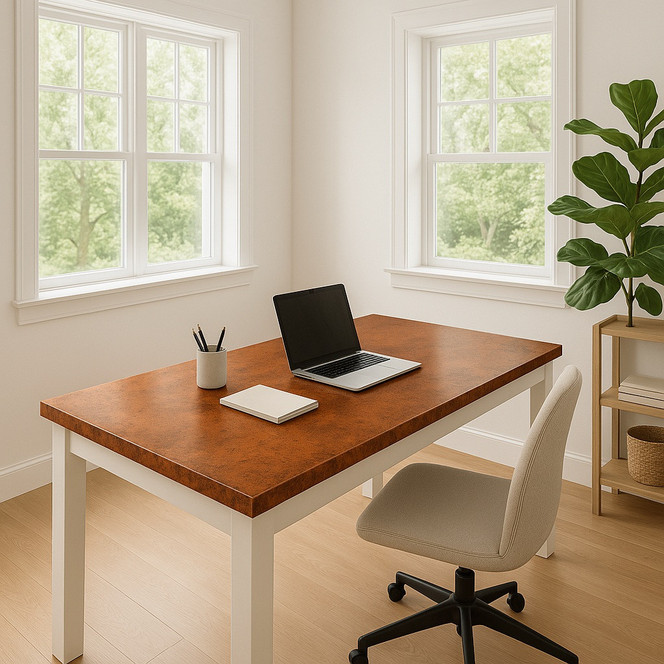
Hammered Copper Dining Table: Handcrafted Warmth for Memorable Gathering Spaces
A hammered copper dining table combines artisan metalwork, practical durability, and the warmth of an Old World furnishing designed for everyday gatherings. Handmade by experienced Mexican craftsmen, these tables can be produced in round, square, rectangular, or custom dimensions with a copper-wrapped tabletop and a forged iron base. Whether placed in a Spanish Colonial dining room, rustic kitchen, transitional interior, restaurant, or hospitality space, a handcrafted copper dining table creates a distinctive centerpiece with natural patina, visible hammering, and proportions tailored to the room.
Blog Summary
- Product: Hammered copper dining table
- Shapes: Round, square, rectangular
- Base: Hand-forged iron
- Best For: Homes and restaurants
- Craft: Handmade in Mexico
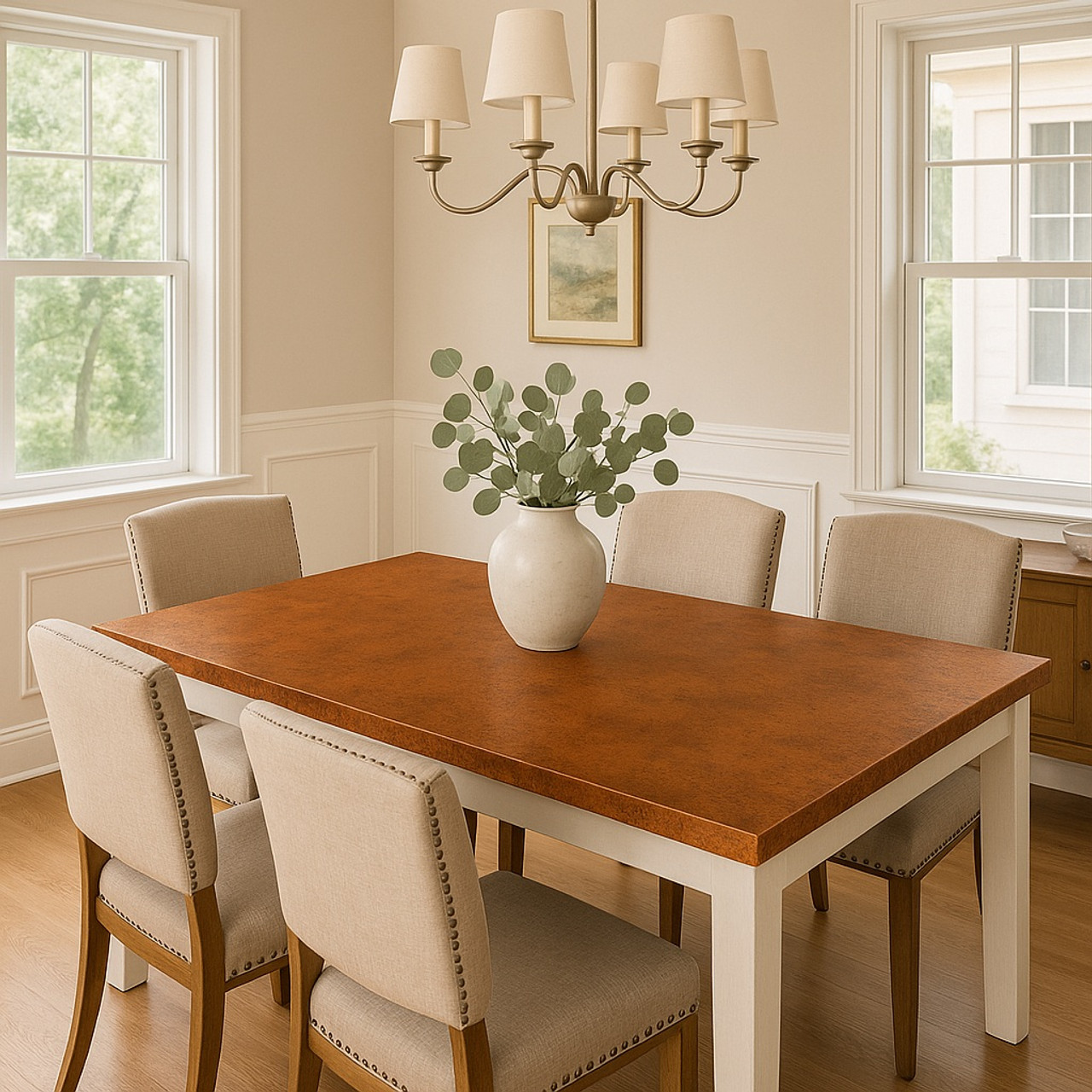
Why Choose a Copper Dining Table?
A dining table is more than a surface for serving meals. It becomes the place where families gather, guests are welcomed, celebrations unfold, and everyday routines take shape.
Copper adds warmth and individuality to that central space. Its natural reddish and brown tones create a richer visual presence than ordinary wood veneer, glass, or factory-finished metal.
Handcrafted by Mexican Artisans
Rustica House copper tables are individually produced by artisans experienced in traditional metalworking and furniture fabrication. The copper is cut, shaped, hammered, wrapped, and finished by hand.
The forged iron base is also handmade, creating a complete furnishing that reflects visible craftsmanship rather than industrial repetition.
Artisan Characteristics
- Hand Hammered: Individual copper texture
- Hand Formed: Wrapped metal surface
- Hand Forged: Custom iron base
- Hand Finished: Artisan patina
- Made in Mexico: Traditional craftsmanship
The Character of Hammered Copper
Hammering creates small impressions across the copper surface that catch light differently throughout the day. These marks give the tabletop depth and movement while making each finished piece visibly unique.
The texture also supports rustic, Hacienda, Spanish Colonial, farmhouse, Mediterranean, transitional, and eclectic interiors.
Smooth Copper Tabletops
A smoother copper surface creates a cleaner and more contemporary appearance. It allows the shape, edge profile, patina, and base design to become the primary visual features.
Even smooth handmade copper may include slight forming marks and tonal variation because the surface is produced manually rather than stamped by industrial machinery.
Surface Options
- Hammered: Traditional artisan texture
- Smooth: Refined metal appearance
- Light Hammering: Subtle visual movement
- Deep Hammering: Strong rustic character
- Custom Texture: Project-specific finish
How the Tabletop Is Constructed
The tabletop is built around a structural wood core shaped to the selected dimensions. Copper sheeting is applied across the upper surface, wrapped over the sides, and finished along the lower edge.
This construction provides the visual and tactile quality of copper while giving the table the stability required for everyday residential use.
The Internal Wood Core
A standard residential tabletop may use an engineered wood core that helps maintain the selected shape and thickness. The core provides a solid foundation for the copper sheeting and the attachment points used with the iron base.
The internal material should be selected according to the table size, expected use, and support configuration.
Commercial-Grade Construction
Tables intended for restaurants, cafés, hotels, bars, or other high-traffic environments may require a stronger plywood core. Commercial construction provides additional support for frequent cleaning, daily service, chair movement, and heavier use.
The intended application should be confirmed before production so the table can be fabricated appropriately.
Construction Options
- Residential Core: Standard home use
- Plywood Core: Commercial durability
- Copper Wrap: Top and side coverage
- Finished Edge: Wrapped metal profile
- Custom Thickness: Project coordination
Hand-Forged Iron Bases
Forged iron provides the strength and stability needed to support the copper tabletop. The dark metal also creates a visual contrast that makes the warm copper appear richer.
Traditional bases may include scrolls, curved legs, central stretchers, or Spanish Colonial ornament, while simpler frames support transitional and contemporary interiors.
Black Iron Finish
Black-painted iron is one of the most versatile base finishes. It coordinates easily with lighting, cabinet hardware, doors, railings, and other architectural metalwork.
The dark base also creates a clear visual separation between the tabletop and the floor.
Natural and Oxidized Iron
Natural iron preserves more of the raw metal appearance, making it suitable for industrial and modern-rustic interiors. Oxidized iron introduces brown and reddish tones that support farmhouse, Hacienda, and Old World design.
A protective finish may be applied to preserve the intended appearance under normal indoor conditions.
Iron Base Finishes
- Black: Timeless dark contrast
- Natural: Raw industrial character
- Oxidized: Rustic aged appearance
- Painted: Custom color option
- Protected: Clear finished surface
Round Copper Dining Tables
A round table creates an inviting arrangement where every person can participate in the conversation. It works well in breakfast areas, compact dining rooms, open kitchens, restaurants, and covered patios.
The absence of corners also improves circulation in smaller spaces and softens rooms dominated by straight cabinetry and rectangular architecture.
Round Table Benefits
- Conversation: Balanced seating layout
- Circulation: No sharp corners
- Compact Use: Efficient smaller rooms
- Visual Balance: Softens straight lines
- Versatility: Home or commercial use
Rectangular Copper Dining Tables
Rectangular tables provide greater seating capacity and suit long dining rooms, open-plan kitchens, conference-style spaces, restaurants, and hospitality interiors.
The elongated surface works especially well with benches, coordinated chairs, and substantial forged iron bases.
Square Copper Dining Tables
Square tables create equal proportions on all sides and work well in breakfast rooms, compact dining areas, and restaurants. Their geometry produces a balanced, architectural appearance.
Larger square tables may also support seating around all four sides while preserving a strong central focal point.
Available Shapes
- Round: Intimate gathering surface
- Rectangular: Greater seating capacity
- Square: Balanced geometry
- Oval: Softer elongated form
- Custom: Made-to-order dimensions
Custom Sizes
A handmade copper dining table can be produced in dimensions adapted to the room, seating plan, base, and intended use. Custom sizing is particularly helpful when standard furniture feels too small, too large, or poorly proportioned.
Before ordering, confirm the length, width, diameter, height, tabletop thickness, and preferred seating capacity.
Choosing the Correct Table Size
Measure the complete dining area and allow enough space for chairs to be pulled out comfortably. Guests should also be able to walk behind seated diners without contacting walls, cabinets, or nearby furniture.
The table should provide enough surface area for place settings, serving dishes, centerpieces, and everyday use without making the room feel crowded.
Planning Measurements
- Room Size: Measure complete area
- Chair Width: Confirm seating capacity
- Clearance: Preserve circulation space
- Base Size: Provide stable support
- Access: Check delivery route
Seating Capacity
The number of people a table can accommodate depends on the shape, dimensions, chair width, base placement, and desired personal space. Decorative armchairs generally require more room than narrow side chairs.
The base should not interfere with knees or prevent chairs from being positioned evenly around the tabletop.
Choosing the Copper Patina
The patina determines whether the table feels bright, aged, rustic, formal, or contemporary. Natural copper displays more reddish and golden tones, while coffee finishes create deeper brown surfaces.
The tabletop should be selected together with the base finish, chairs, flooring, lighting, and surrounding furniture.
Popular Patinas
- Natural: Warm reddish copper
- Antique: Traditional aged tone
- Honey: Lighter golden finish
- Coffee: Rich brown appearance
- Dark Coffee: Deeper dramatic color
Oxidized Copper Finishes
Green and turquoise oxidation can create a more artistic tabletop with the appearance of naturally weathered copper. The finish may cover the complete surface or appear selectively around seams, edges, and hammered areas.
Oxidized copper works especially well with black iron, neutral walls, simple seating, and contemporary interiors where the table is intended to become the primary color feature.
Copper as a Living Surface
Copper responds naturally to air, moisture, fingerprints, food, cleaning products, and daily contact. The finish may darken, lighten, or develop additional tonal variation over time.
This gradual evolution is one of the material’s defining characteristics and contributes to the individuality of the table.
Rustic Dining Rooms
A hammered copper table feels naturally suited to rustic home interiors containing wood beams, stone floors, iron lighting, leather seating, plaster walls, and handmade accessories.
The copper introduces warmth while the forged base reinforces the handcrafted character of the room.
Spanish Colonial Dining Rooms
Spanish Colonial design combines copper, wrought iron, carved wood, Talavera tile, terracotta, and Cantera stone. A copper dining table connects these materials within one architectural centerpiece.
Dark coffee patina and scrollwork bases work especially well in traditional Colonial interiors.
Hacienda Style Interiors
Hacienda dining rooms often emphasize substantial furniture, warm materials, handcrafted surfaces, and generous spaces for entertaining. A large rectangular or round copper table supports this atmosphere naturally.
Forged iron chandeliers, carved wood chairs, and decorative ceramic accents can complete the composition.
Traditional Style Pairings
- Talavera Tile: Colorful ceramic accent
- Carved Wood: Traditional seating
- Iron Lighting: Coordinated metalwork
- Stone Flooring: Architectural foundation
- Plaster Walls: Soft neutral backdrop
Farmhouse Dining Rooms
Copper adds a refined material contrast to farmhouse interiors with wood cabinetry, open shelving, linen textiles, apron-front sinks, and simple lighting.
A restrained tabletop shape and lightly hammered surface can keep the design warm without making it overly formal.
Transitional Interiors
Transitional rooms combine traditional materials with cleaner furniture forms. A smooth or lightly hammered copper tabletop on a simple black iron base can bridge those influences effectively.
The warm metal softens quartz, painted cabinetry, neutral upholstery, and contemporary lighting.
Contemporary Dining Rooms
A copper table can become a sculptural focal point in a contemporary room. Flat walls, restrained furniture, and simple lighting allow the metal surface to remain the dominant visual feature.
A smoother finish and geometric base generally work best in modern settings.
Compatible Styles
- Rustic: Handcrafted texture
- Spanish Colonial: Old World character
- Hacienda: Warm Mexican tradition
- Transitional: Balanced material contrast
- Contemporary: Sculptural metal centerpiece
Pairing Copper with Dining Chairs
Wood chairs reinforce traditional and farmhouse design, while black iron seating creates a stronger industrial or Spanish Colonial composition. Leather adds warmth and can make the table feel more formal.
Upholstered chairs soften the visual weight of the copper and improve comfort during longer meals.
Chair Pairings
- Wood: Natural warm balance
- Iron: Strong metal contrast
- Leather: Refined material depth
- Upholstered: Added dining comfort
- Mixed Seating: Eclectic composition
Pairing with an Iron Table Base
The relationship between the copper top and hand-forged iron table base determines much of the final style. Scrollwork creates a traditional appearance, while straight geometric lines feel more contemporary.
The base must also provide enough support to prevent excessive movement or overhang.
Lighting Above the Table
A chandelier or pendant should be proportionate to the tabletop and centered carefully above it. Warm lighting enhances the reddish and brown tones of copper while revealing the hammered texture.
Forged iron chandeliers coordinate naturally with the base, while brass or glass fixtures create a more layered material composition.
Dining Room Rugs
A rug can define the dining area and provide a softer surface beneath the metal table. It should extend far enough beyond the tabletop for chairs to remain on the rug when pulled out.
Neutral woven rugs allow the copper to dominate, while traditional patterns reinforce Spanish Colonial or rustic design.
Restaurants and Hospitality Spaces
Handmade copper tables can give restaurants, cafés, wineries, hotels, and tasting rooms a distinctive identity. The warm surface creates visual richness and helps commercial interiors feel less standardized.
Review additional ideas for copper dining tables for restaurants and hospitality projects.
Commercial Applications
- Restaurants: Memorable dining furniture
- Cafés: Artisan gathering surfaces
- Hotels: Distinctive hospitality design
- Wineries: Warm tasting-room tables
- Bars: Custom metal furnishings
Why Commercial Buyers Choose Copper
Copper provides a recognizable material identity that can connect tables with lighting, bar tops, range hoods, sinks, and decorative accents throughout a commercial interior.
Its evolving patina also allows daily use to become part of the visual character rather than making the furniture appear prematurely worn.
Large Commercial Orders
Restaurants and hospitality projects may order several tables in repeated or varied dimensions. A detailed schedule should identify the quantity, shape, size, patina, texture, core, edge profile, and base for each table.
Production and freight timing should be confirmed before finalizing the opening or renovation schedule.
Copper Versus Zinc Tabletops
Copper introduces warm reddish and brown tones, while zinc offers a cooler gray appearance. Both metals can be hammered or smooth and both develop natural surface variation through use.
Copper usually feels warmer and more traditional, while zinc supports industrial, contemporary, and neutral commercial interiors.
Material Comparison
- Copper: Warm reddish color
- Zinc: Cool gray appearance
- Both: Handmade metal surfaces
- Both: Natural patina development
- Choice: Based on room palette
Cleaning a Copper Dining Table
Clean the tabletop with mild soap, warm water, and a soft cloth or sponge. Remove food, grease, and liquid promptly, then dry the surface gently.
Avoid abrasive pads, bleach, ammonia, strong acids, and aggressive copper cleaners that could damage or remove the patina.
Protecting the Tabletop
Use trivets beneath hot cookware, coasters under beverages, and protective pads beneath rough decorative objects. These habits reduce scratches, concentrated heat, water marks, and surface reactions.
Placemats may be useful for everyday family meals and commercial dining service.
Care Tips
- Clean: Mild soap and water
- Dry: Use a soft cloth
- Protect: Use coasters and trivets
- Avoid: Harsh chemicals
- Patina: Expect natural change
Acidic Foods and Liquids
Citrus, vinegar, wine, tomato products, and other acidic substances may alter the copper finish if they remain on the surface. Clean spills promptly to maintain a more consistent patina.
Small tonal changes are part of genuine copper’s living character and may gradually blend into the surrounding finish.
Scratches and Daily Wear
Fine scratches and marks will gradually become part of the tabletop’s overall patina. Hammered surfaces often conceal daily wear more effectively than highly polished copper.
Buyers who expect permanent factory-level uniformity may prefer a different table material.
Base Stability and Support
The base must be proportionate to the tabletop and provide support across the full surface. Excessive overhang can make the table unstable, especially when pressure is applied near the edges.
The final base size should be confirmed together with the tabletop dimensions and seating arrangement.
Base Planning
- Width: Support outer areas
- Length: Match tabletop scale
- Legroom: Preserve seating comfort
- Leveling: Confirm stable placement
- Attachment: Use secure hardware
Professional Assembly
Large tabletops and forged bases may require multiple people for safe handling and assembly. The top should be attached using appropriate hardware that does not distort or puncture the copper surface.
A qualified furniture installer can confirm alignment, balance, fasteners, and finished table height.
Delivery and Access Planning
Measure doors, hallways, staircases, elevators, and turning areas before ordering. A large rectangular or round tabletop may fit the room but still be difficult to move through the building.
Commercial buyers should also plan where multiple crates will be received, stored, unpacked, and assembled.
Delivery Checklist
- Crate Size: Confirm access route
- Doorways: Measure clear openings
- Stairs: Review turning space
- Helpers: Arrange safe handling
- Inspection: Check upon arrival
Understanding Handmade Variation
Small differences in hammering, patina, dimensions, seams, edge shape, and ironwork are expected in handmade furniture. These variations confirm that each table was produced individually.
They should not be confused with structural damage or poor craftsmanship.
Why Handmade Copper Stands Apart
Factory tables are produced for exact repetition, while handmade copper furniture can respond to the room, seating needs, preferred patina, and decorative style.
The finished table becomes both a practical dining surface and a permanent example of Mexican metal artistry.
Ordering and Project Planning
Before ordering, confirm the tabletop shape, dimensions, thickness, core material, texture, patina, edge profile, base design, base finish, seating capacity, intended use, and delivery access.
Visit the classic Colonial copper dining table, explore more hammered copper dining table designs, and compare additional custom copper products before finalizing the project.
Conclusion
A hammered copper dining table brings together artisan texture, warm living color, custom dimensions, and forged iron craftsmanship in a furnishing designed for memorable gatherings. Available in round, square, rectangular, oval, and made-to-order shapes, it can support rustic, Spanish Colonial, Hacienda, farmhouse, transitional, contemporary, residential, and commercial interiors. With thoughtful sizing, a stable base, careful delivery planning, and gentle maintenance, a handmade copper table becomes a lasting centerpiece that grows richer and more personal through years of shared meals and daily use.